Subscription software has rerated: the IGV software ETF is up close to 150% since 2014 against 50% for the S&P 500. Here is how we underwrite SaaS.
Subscriptions are the hot business model of the moment, but we have been living with them for a long time. Newspapers and magazines have sold that way since well before anyone called it a model. So have water, electricity and phone service, billed month by month.
Key takeaways
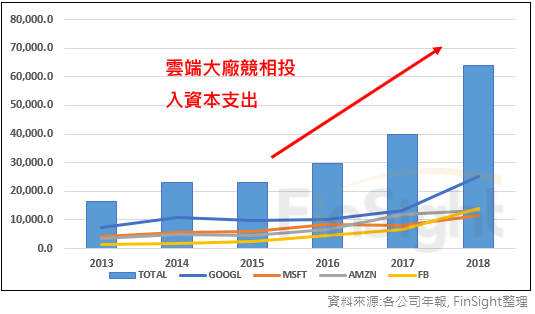
- Subscription is old. What changed is the cloud: once Amazon, Microsoft and Google, the large cloud companies (the hyperscalers), built out the data centers and the PaaS (platform as a service) layer, a software company could deliver and update product without building its own infrastructure. Cloud capital spending (capex) has only now slowed, to 11% year over year in 2019.
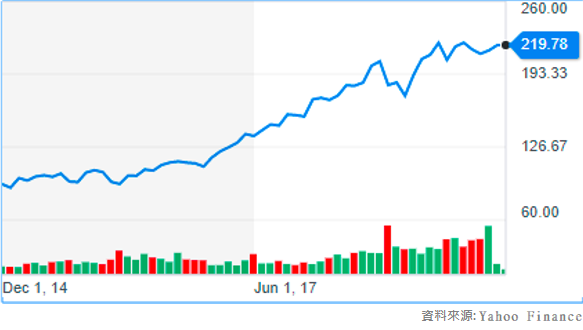
- The market has already paid up for it. The iShares Expanded Tech-Software ETF, IGV, whose top four weights are Microsoft, Adobe, Oracle and Salesforce, is up close to 150% since 2014, against 50% for the S&P 500.
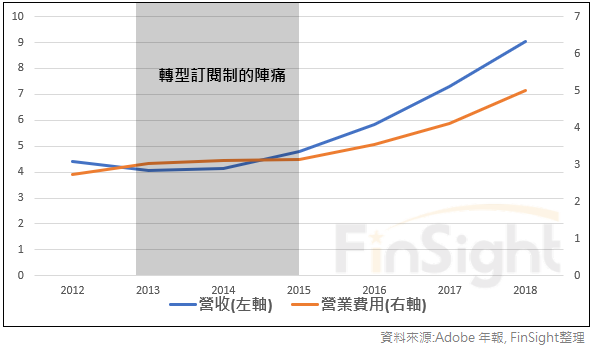
- The switch costs money before it makes money. Adobe stopped shipping new Creative Suite versions in 2013, launched Creative Cloud the same year, took an immediate hit to revenue with costs rising, and came out the other side with revenue and profit both climbing steeply.
- Revenue per customer comes down to two variables: LTV (lifetime value) = ARPU (average revenue per user) divided by (1 minus the renewal rate). Which one to watch depends on the stage: user growth, cash flow and renewals early, paid conversion next, upsell and cross-sell once the business is running.
- Subscription by itself is not an edge. If the marginal cost of each new customer does not fall, scale never turns into much extra profit. A coffee shop on a subscription plan is still competing on coffee.
So why has the subscription model suddenly become the frame everyone uses? It has everything to do with the internet being everywhere and with the build-out of the cloud.
Before we get to software, a word about a company that sells light bulbs: Philips.
From selling bulbs to selling light: what product as a service does to a manufacturer
In 2016 Philips formally spun its lighting division out as a separate company, Philips Lighting. That business does not sell you bulbs. It sells you hours of light.
The model breaks a contradiction that sits inside traditional manufacturing. Build a product that lasts, the customer replaces it less often, and your revenue falls. Sell hours of light instead, and the manufacturer has every incentive to make the product more durable and the customer more satisfied.
For Philips, the payoff is steady cash flow, more revenue over the life of the relationship, and a reputation as a circular economy business. For the customer, the payoff is simpler: it gets the light it needs, and it can rearrange the fixtures later without buying new ones.
Unlike a one-time sale, product as a service means the way a vendor maximizes its own economics is to make the customer successful: fix the thing the customer is actually struggling with, build a tighter relationship, raise the renewal rate, then expand the service and grow revenue, maximizing customer lifetime value.
That is the customer success idea in Nick Mehta's 2016 book Customer Success: manage and reduce churn, improve the customer experience and satisfaction, and grow the contract value of the customers you already have. Getting there may mean an organization has to shift from a manufacturing focus to a customer focus.
So once a company moves to subscriptions, the more customer feedback and data it can collect, the bigger the advantage. With the internet growing the way it has, data volumes keep climbing fast, and AI and cloud infrastructure are now available to any software company that wants them.
Software as a service: the cloud is what made SaaS possible
SaaS, software as a service, is a way of delivering software through the cloud. The vendor deploys the software in the cloud, and the customer installs only a light client to use it.
Over the past few years Amazon, Microsoft and Google have been building data centers aggressively, spending heavily on capex and putting in the PaaS layer underneath. Only this year has the pace of that spending come down, to 11% year over year in 2019. That public cloud base is what lets a software company deliver its software and its data to customers over the cloud.
A cloud SaaS company can launch a product without the capital a traditional software business needed, and it can launch faster. Delivering through the cloud also lets it collect large amounts of customer data, update more easily and more often, and stay closer to what customers actually want, which strengthens its competitive position.
SaaS stocks have been among the best performers in the market these past few years. Take the iShares Expanded Tech-Software ETF, IGV, which holds US software companies and whose top four weights are Microsoft, Adobe, Oracle and Salesforce. It is up close to 150% since 2014. The S&P 500 is up 50% over the same stretch.
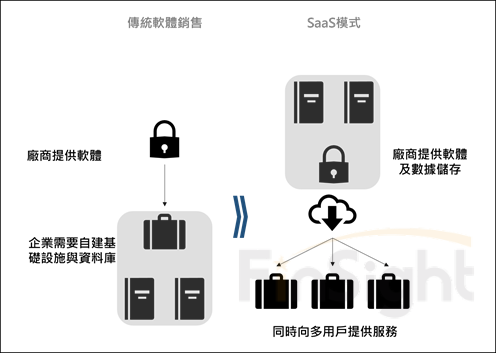
Buying traditional B2B (business to business) software meant consulting, design, installation and maintenance, and the software company had to build its own infrastructure and databases. A SaaS vendor delivers through the cloud, the customer installs a simple client, and a large share of the build-out and communication cost goes away, along with much of the maintenance bill.
One clarification. SaaS describes how software is delivered, so a SaaS service is not automatically a subscription business. Facebook and Gmail fit the SaaS concept, but they are free to use: they build network effects off a very large user base, and the data that comes with it lets advertisers target precisely, which is where the money comes from: advertisers and other third parties. What they share with subscription businesses is the need to strengthen the user connection and raise the renewal rate, or in their case the usage rate.
Short term pain in the financials, in exchange for stable cash flow
Moving to SaaS means putting money into cloud computing and related technology up front. A software company that used to sell licenses outright also has to change how it is organized, which means training and other people costs. And it no longer collects the large slug of cash a one-time sale produces. So early on, costs rise while revenue is deferred.
As the subscriber base grows and service upgrades add revenue, the base of stable cash flow starts to build. If the pace of spending is controlled well, profit growth comes fast.
Adobe is the example. In 2013 Adobe said it would not release another version of Adobe Creative Suite, launched Creative Cloud that same year, and formally became a SaaS subscription business. Revenue fell and costs rose immediately. After that painful stretch came what we would call exponential growth in revenue and profit.
The financial metrics that matter in SaaS
Split it by revenue alone, and one simple formula covers the value of a single customer.
- LTV (lifetime value): the value of a customer over the life of the relationship
- ARPU (average revenue per user): average revenue per user
LTV = ARPU times the length of the customer relationship = ARPU divided by (1 minus the renewal rate).
There are only two variables in it. So growing revenue takes more than adding users: you have to pull more value out of each one, which means finding ways to raise the renewal rate and ARPU. Which numbers to emphasize changes with the stage of the business, and that is worth spelling out.
As noted above, a SaaS business faces rising costs and falling profit, or outright losses, early on. At that stage we think the numbers that matter most are the growth rate of the user base, cash flow and the renewal rate. Fast user growth is what creates the profit case later and builds the network effect, and you want to know whether the renewal rate is holding. At the same time, watch whether the company can survive the early decline in its financials.
As users pile up, alongside cash flow you need to watch paid conversion. Some SaaS companies open up free usage first. If they cannot route that traffic into revenue, the question becomes how long the cash lasts before they find a way to monetize, and whether the advantage keeps widening in the meantime.
Once the business is running, on top of holding customer loyalty and satisfaction, the vendor has to upsell, adding higher-value products and services, or broaden the offering and cross-sell, solving more of the customer's pain points. That lifts ARPU, and it shows the company is using its data effectively to help the customer.
Falling marginal cost is where scale turns into profit
The biggest benefit of a subscription is steady cash flow and a closer relationship with the customer. But if the marginal cost of each new customer does not fall meaningfully, you give up much of the profit that scale is supposed to deliver.
A coffee shop on a subscription plan is a good test. It gets steadier cash flow, and it can price the plan in different ways to capture more profit. Customer data opens up more marketing options. But the cost of making each cup does not drop much as the business gets bigger. The competition is still about how good the core business is, not about how fast the model can scale.
So when we compare subscription companies against each other, what matters is the capital they put in early and whether it accumulates into an advantage, what it costs to acquire a new customer, and the marginal cost of each additional user. The content and the structure of their capex shape how we value them.
Netflix is the case in point. It has spent heavily on original content in recent years, and we watch whether that content builds into intellectual property with real staying power, or is just a permanently large bill. As other big IP owners move into streaming, we need to see whether that spending is an advantage, and whether it brings in more users or extracts more value per user. That is what we keep watching.
Software subscriptions compete better, but heavy capital spending can commoditize the market anyway
Subscriptions are not a cure-all. But the fight for data that the cloud and AI have set off means moving to a subscription puts data at the center of how an organization operates: it can find its target customers faster and adjust the product accordingly, and that model produces customer centered ecosystems more readily.
None of that changes the nature of competition. Plenty of companies will build scale on subsidies, marketing and advertising. The ones worth investing in are the ones that convert capex into a moat, establish a first mover advantage, find the real use case for their target customers and fix what those customers are struggling with.
In The Subscription Series, Part 2, we sort SaaS vendors by the customers they sell to and by how customizable their software is, and look at how they compete with one another.